In a dry climate like southern Nevada, the air is often thirsty enough to pull water straight out of your skin. The result is tightness, flaking and a dull look, even if you drink plenty of water. The good news: a few small habits make a real difference.
1. Moisturize while skin is still damp
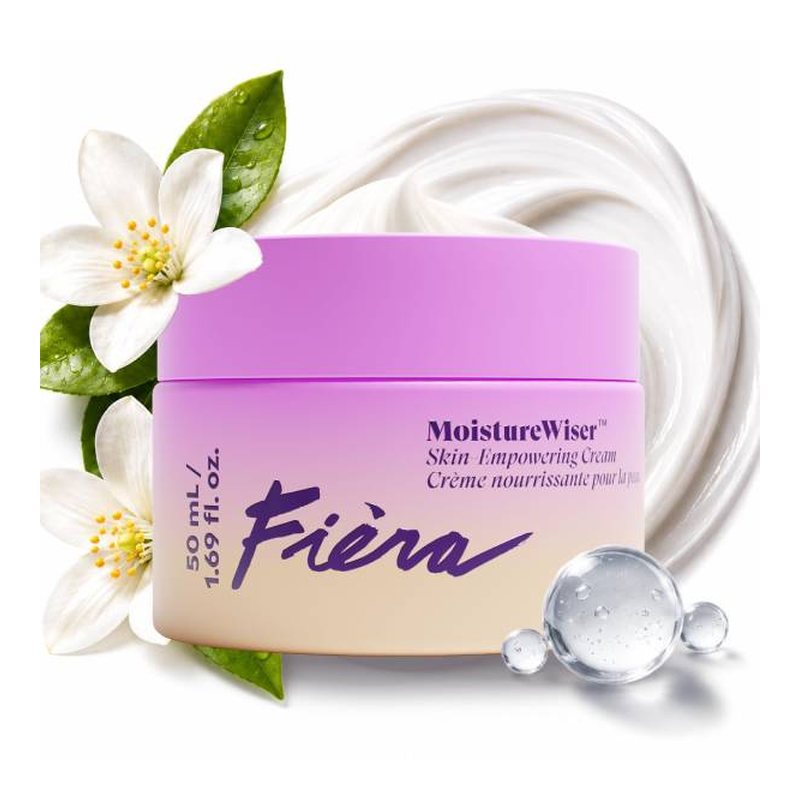
Pat your face and body lightly after washing, then apply moisturizer within a minute or two. Damp skin absorbs cream more easily, and a richer formula helps hold that water in. If your skin feels tight by midday, a cream made for dry or mature skin is usually a better match than a light gel.
2. Keep showers warm, not hot
Hot water feels great but strips the natural oils that protect your skin barrier. Keep showers short and lukewarm, and choose a gentle, fragrance-free cleanser.
3. Wear sunscreen every single day
Sunny days are the norm here, and UV rays reach your skin even on cooler days. Use a broad-spectrum SPF 30 or higher on your face, neck and hands each morning, and reapply when you are outdoors for a long time.
4. Add moisture back into the air
A humidifier in the bedroom can help, especially when the air conditioning or heating is running. Many people notice softer skin and fewer dry patches within a week or two.
5. Give tired eyes a cooling reset
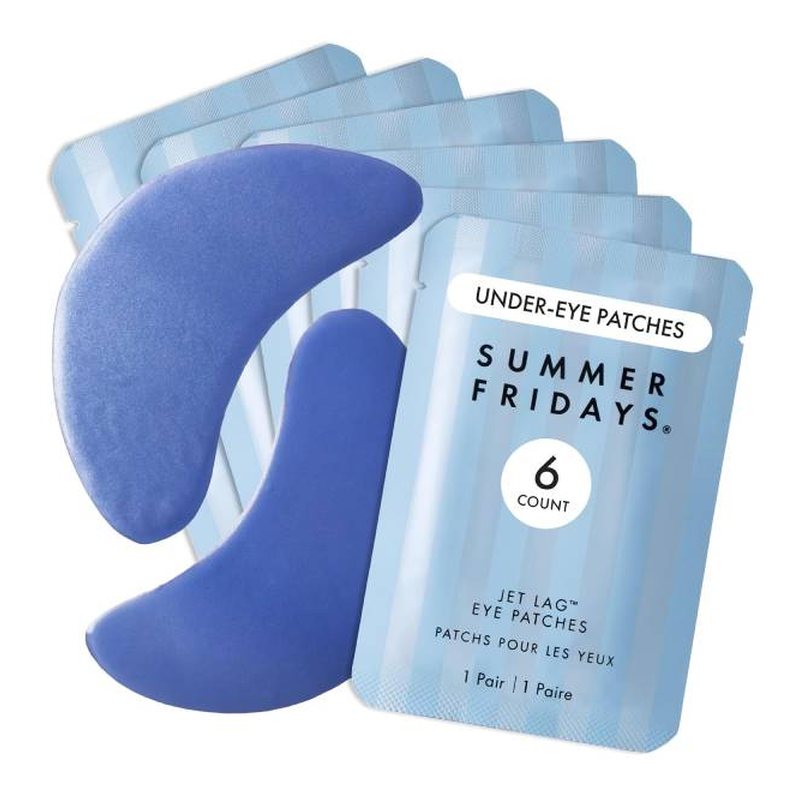
The skin under your eyes is thin and shows dryness first. Cooling hydrogel patches are an easy morning ritual; keep them in the fridge for an extra refreshing feel.
6. Do not forget your scalp
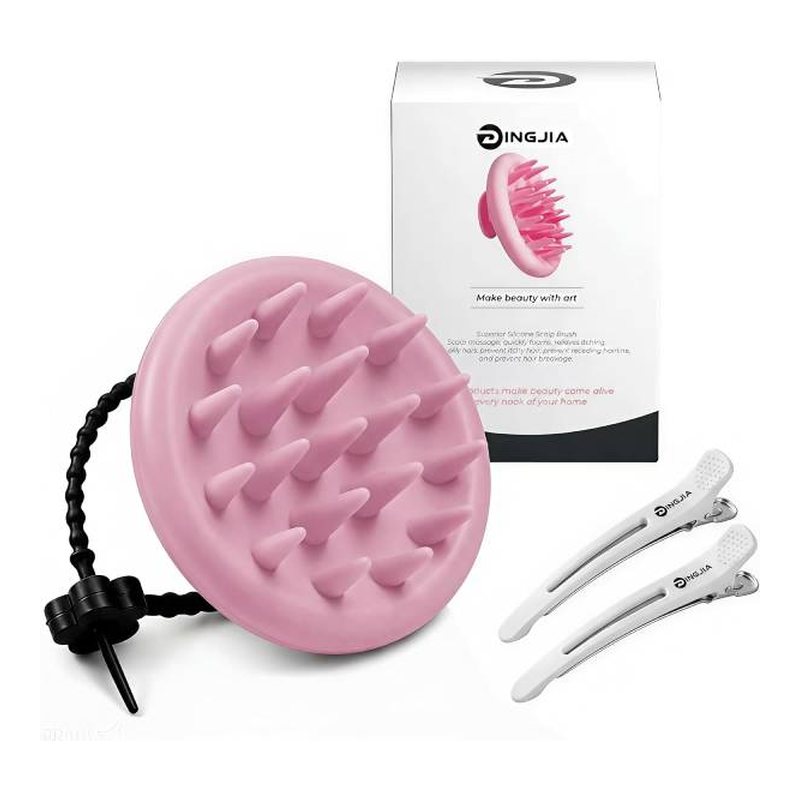
A dry scalp can itch and flake too. A soft silicone scalp brush helps your shampoo reach the roots and gently lifts buildup without scratching.
Picks from this guide