Most of us set up our smoke alarms once and forget them. Taking ten minutes to check a few basics can make a real difference if the worst ever happens. Grab a step stool and let's go.
1. Test every alarm
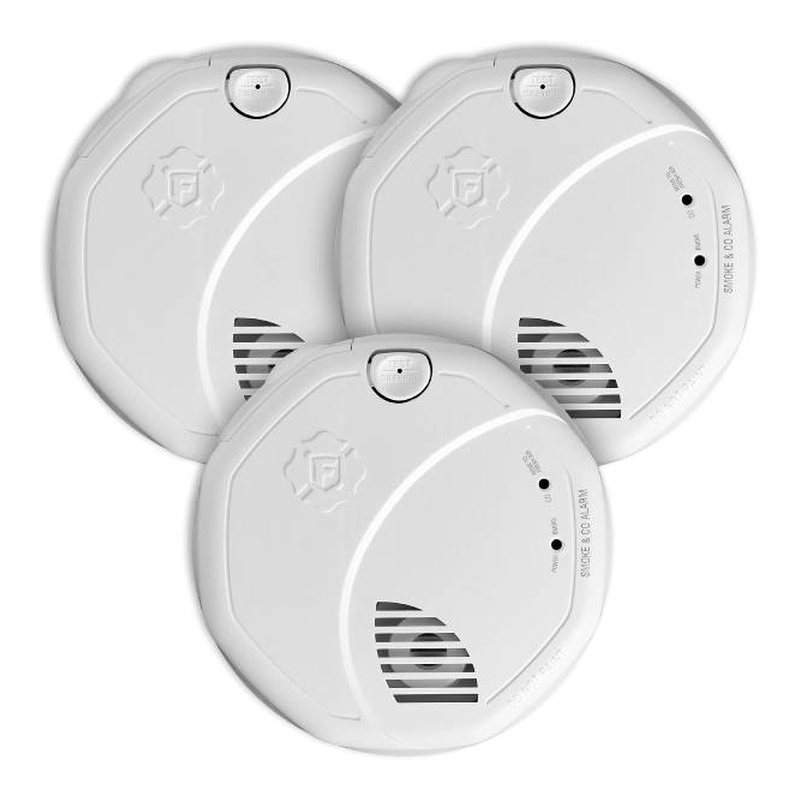
Press the test button on each smoke and carbon monoxide alarm. Fire safety organizations recommend testing alarms once a month. If one is silent or weak, replace the battery right away.
2. Check the dates
Smoke alarms do not last forever. Look for the manufacture date on the back: most should be replaced about 10 years after that date, or sooner if the manufacturer says so.
3. Make sure you have enough alarms
You want an alarm inside each bedroom, outside each sleeping area and on every level of the home, including the basement. Carbon monoxide alarms belong outside sleeping areas and on every level, especially if you have gas appliances or an attached garage.
4. Put a fire blanket in the kitchen
Most home fires start in the kitchen. A fire blanket mounted on the wall, away from the stove, lets you smother a small pan fire quickly. Never use water on a grease fire.
5. Plan two ways out of every room
Walk through your home and find two exits from each room: usually a door and a window. For second-floor bedrooms, a fire escape ladder that hooks over the windowsill gives everyone a second way out. Store it in the room where it will be used.
6. Pick a meeting spot and practice
Choose a place outside, like a neighbor's mailbox or a tree, where everyone gathers. Practice your escape plan at least twice a year, including at night, so it feels familiar.
7. Keep heaters at a safe distance
Desert nights can be cool. If you use a space heater, keep it at least three feet from anything that can burn, plug it straight into the wall and turn it off when you leave the room or go to sleep.
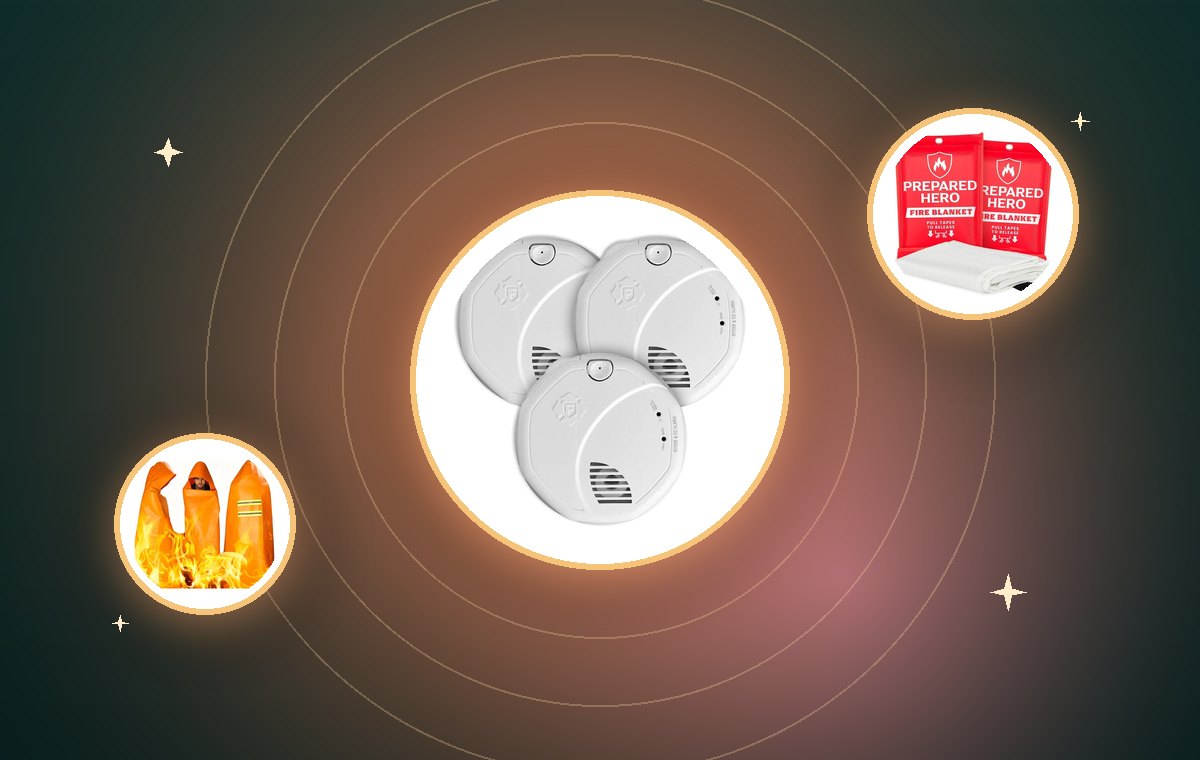
Picks from this guide